 RF Dance

9 Surprising Salsa Dance Facts & What’s Next In 2026
Posted on - 23 December 2025
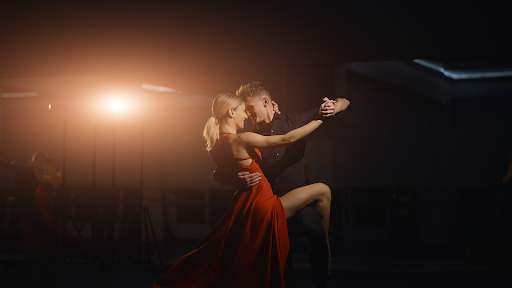
Quick Takeaway:
Salsa dance is a fusion of music, fitness, culture, and social connection.
Originated in Cuba with African, Spanish, and Caribbean influences.
Salsa is a global phenomenon, gaining popularity across Europe, Asia, and beyond.
Various styles of salsa, like Cuban, LA, and New York styles, offer unique rhythms.
Salsa improves health, reduces stress, and promotes cardiovascular fitness.
In 2026, salsa is evolving with modern music, mixing with other dance styles, and expanding online.
Have you ever wondered about a dance with a fusion of music, fitness, culture, and social connection?
That’s Salsa Dance- an energetic, rhythmic dance loved by people across the world for decades.
Salsa, a popular Latin dance, evolved from Afro-Cuban roots and gained prominence in the 1960s through “Johnny Pacheco” in New York. As salsa dance emerged in other countries, many new variations were introduced, including the LA Salsa Style and the New York Style Salsa.
Today, in places like Europe and Asia, Salsa has emerged as a fun way for people with different backgrounds to connect.
If this drives your curiosity, keep reading this blog to find out different facts about salsa dance.
Fact 1: How Salsa Originated?
Birth: Salsa emerged in the early 19th century in Cuba, with a mixture of three different cultures, i.e, African, Spanish, and Caribbean.
What different fusion did they bring:
African Rhythm: African people brought the drumming tradition and gave salsa “Rhythm”, using instruments like drums and maracas.
Spanish Influence: Spanish Colonial Rule introduced “melodies” with instruments like the guitar, trumpets, and piano.
Latin America:The Latin American Culture provided energetic “dance movements”, making salsa not just a music genre but a social dance form.
Fact 2: How Salsa Is More Than Just A Dance?
Salsa is not just about learning steps and performing in front of others, but it's about connecting with the people around you. When you dance, you are not just moving your body, but you are making contact with others partner during the dance.
Salsa night at clubs, dance studios, and outdoor events brings dancers together to learn, laugh, and enjoy music. On the dance floor, your moves speak instead of your words.
Whether you are in a dance class or at an event, salsa dancing helps you make new connections.
Fact 3: How Is Salsa Gaining Global Popularity?
Salsa influence is not limited to Latin America, but it has spread globally to Europe, Asia, and the Middle East. Cities like New York, Paris, Tokyo, and Dubai all have salsa communities.
Competition like the “ World Salsa Championships” and “Salsa Festivals” brings together top dancers from around the world, showing the worldwide growth of salsa.
Fact 4: Salsa Has Different Styles: Did You Know
Salsa isn't a single way of dancing, but there are many different styles, and it allows the dancer to explore different rhythms on the floor.
Popular Salsa Style:
1. Cuban Style
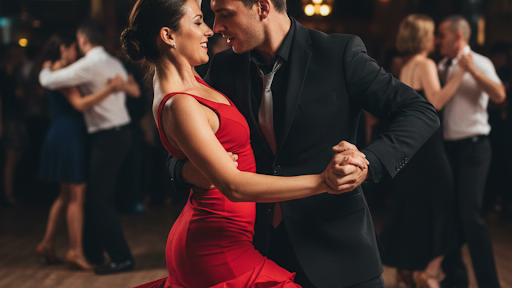
A circular, grounded style in which partners turn around each other with natural body movements.
2. LA Style
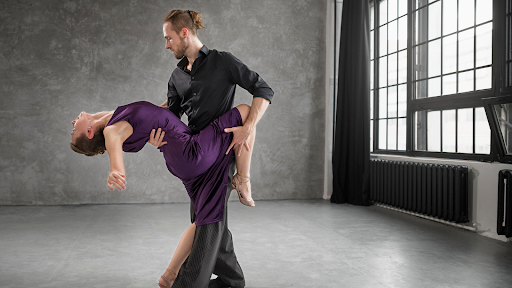
A flashy, straight-line dance style performed on 1 count, known for fast spins and dips.
3. New York Style
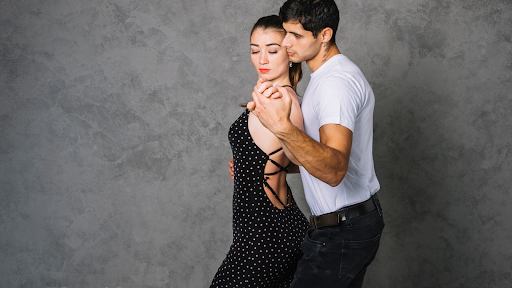
A smooth and elegant salsa-style dance performed on a 2 count. It involves clean footwork and musical interpretation.
4. Colombian Style
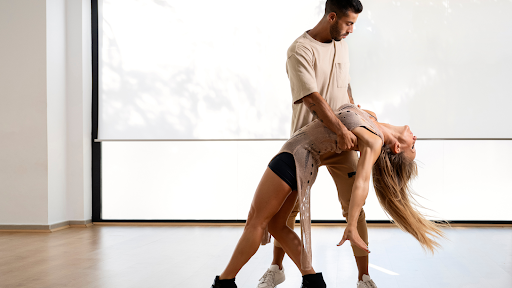
A dance style influenced by Colombian folk and cumbia rhythm, known for its fast footwork and playful attitude.
Fact 5: 5 Fundamentals Every Salsa Dancer Should Know
A strong foundation is the base for everything, whether you are a beginner or an advanced dancer. It is equally important for both. Mastering a few essential elements helps you dance with confidence and rhythm, while improving your performance with a partner.
Key Salsa Fundamentals:
Timing: Keeping steps in sync with music and staying on the right beat (1 or 2).
Basic steps: The forward-back and side-to-side pattern is the foundation of salsa.
Posture and frame: A balanced upper body makes leading and following easy.
Weight and transfer: Smooth shifting of weight maintains clean footwork and spins.
Leading and following: A clear coordination between the leader and the follower helps both partners dance smoothly.
Fact 6: Have You Ever Wondered If Salsa Is Good For Your Health?
If you ever danced salsa and had a thought, “Wow! This feels amazing”, you are right. Salsa is actually great for your health in many natural ways:
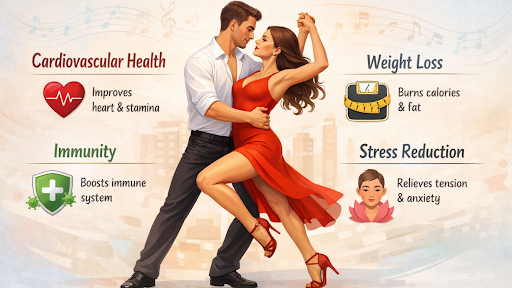
Cardiovascular Health: A light cardio exercise keeps the heart pumping safely and steadily.
Immunity: Keeps the body active and increases stamina.
Weight Loss: Burns calories
Mental Balance: Music+Movement= stress reduction and happier mood.
So yes, salsa is not just enjoyable; therefore, it’s a healthy habit in disguise!
Fact 7: What Do Dancers Play In Salsa?
In salsa dancing, the leads and follows shine through their killer moves and footwork chemistry, coordinating so perfectly that they grab the audience's attention, making the performance incredible.
Leader Role
The male dancer is called the "leader."
Work: To guide the movement, give signals, and create dance flow.Follower Role
The female dancer is called the "follower."
Work: To bring grace, style, and beautiful footwork while responding to the leader.
Both roles are equally important, and their coordination makes the dance performance more exciting.
Have you ever heard about Salsero and Salsera?
It's a Spanish term for the people who perform the salsa dance. The male partner is called “Salsero”, and the female partner is called “Salsera”.
Fact 8: Common Mistakes To Avoid In Salsa
Have you ever wondered why some dancers struggle even with basic steps?
Small mistakes make a big difference! Here is what to take care of:
Don't rush the music, follow the rhythm
Avoid poor posture
Salsa is a team dance, so don't ignore your partner
Start with basic moves and feel the clave.
Don't stress yourself
Did You Know?
The “clave rhythm” is the heartbeat of salsa, guiding every step and turn. It helps dancers stay perfectly in sync with the music and with each other.
Fact 9: What’s Next For Salsa In 2026?
Salsa dance is growing day by day, and 2026 will bring more advancement.
Nowadays, many dancers are mixing salsa with other styles like hip-hop and bachata. Even the music is changing and progressing, combining modern beats and classic salsa tunes.
Social media and online classes have made it easier for people to learn from any corner of the world.
Conclusion
So, here you have it- 9 surprising facts about the salsa showing why it's more than just a dance. Now it has a worldwide vibe, fusing culture and fun.
Salsa is not limited to just moves; it's an experience and a celebration of rhythm. It provides health benefits and connects people across the globe, allowing anyone to enjoy it.
Now, if all this has excited you to learn salsa, then visit RF Dance and join our classes. We provide beginner-focused lessons Dance and join our classes. We provide beginner-focused lessons with personal attention. Apart from salsa dance classes, but also provide bachata and cumbia dance classes. Our experienced and friendly instructors will help you fulfill all your dance needs.
FAQs
Q1: What does salsa literally mean?
A: In Spanish, the word salsa means “Sauce.” It's used as a metaphor to describe the blend of music and dance moves.
Q2: Is salsa difficult to learn?
A: For beginners, salsa can be hard to learn at first due to fast moves and footwork. But with the right guidance and consistent efforts, you will get to learn salsa.
Q3: What are the basic steps of the salsa dance?
A: The basic steps are 1-2-3 pause, 5-6-7 pause with quick steps, and a slight pause in 4 and 8.