 RF Dance

The Ultimate Guide to Bachata Types: Differences and Origins
Posted on - 24 April 2026
Key Takeaways:
Bachata's country of origin is the Dominican Republic, where it emerged in the early 1960s from bolero, Cuban son, and merengue.
UNESCO officially recognized the music and dance of Dominican Bachata as an Intangible Cultural Heritage of Humanity in 2019.
There are four main styles of Bachata: Dominican (Traditional), Modern, Sensual, and Urban. Each has its own footwork, body language, and musical influence.
Sensual bachata was born in Cadiz, Spain (2004), making it one of the few major styles developed outside the Dominican Republic.
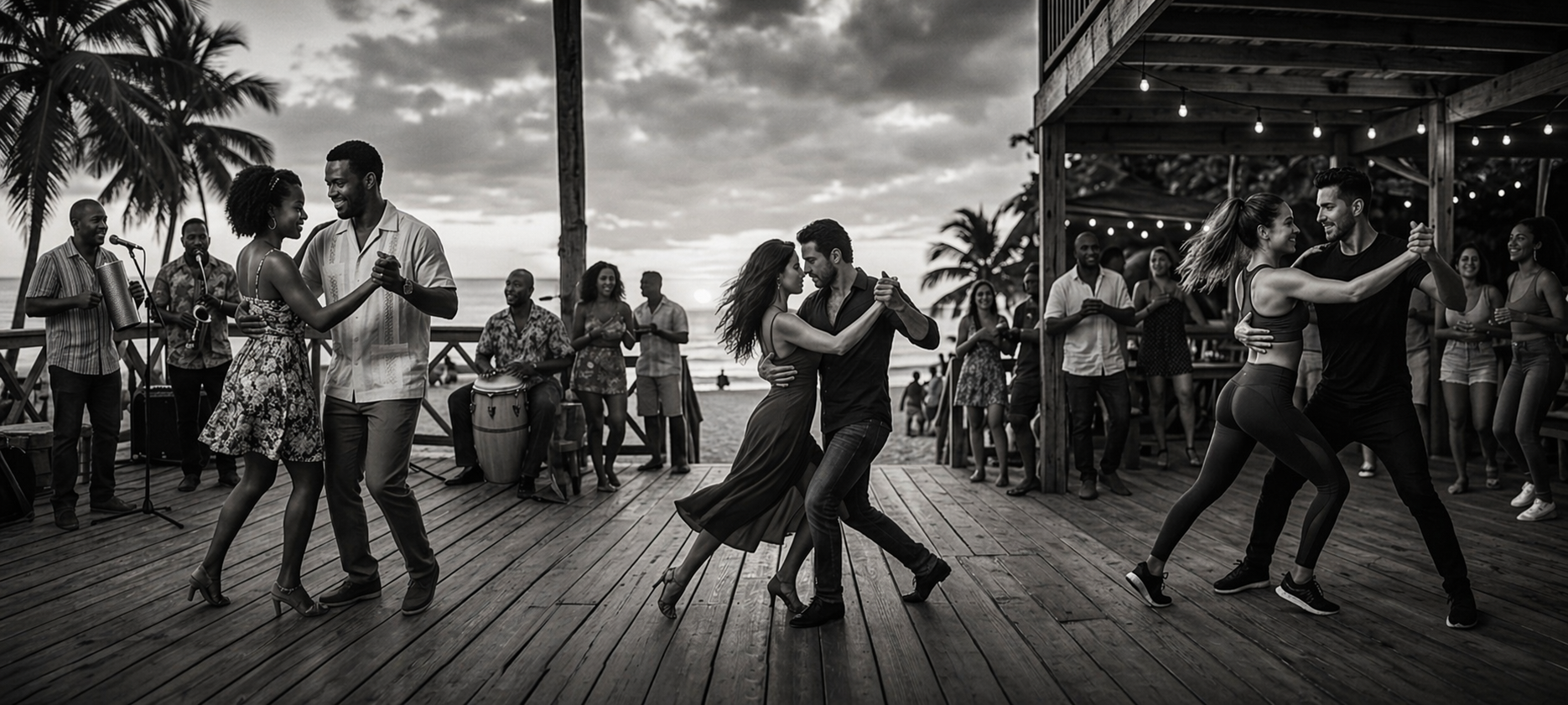
If you have ever watched Bachata performances live or online, you have surely noticed that no two dances look the same.
One couple dips and sways with slow, romantic body waves. Another bursts across the floor with sharp, intricate footwork. A third mixes modern flair with classic Latin rhythm.
So which one is the “real” bachata?
What if we told you it’s all of them? Yes, you read that right! Every one of them is dancing bachata. It is one of the richest Latin partner dances alive today, and part of what makes it so special is its incredible variety. Bachata originated in the Dominican Republic in the early 1960s as a fusion of bolero, son, and African rhythms.
This guide will walk you through the main types of bachata, the dance's origin, trace the birth of each major style, and give you a clear map of the bachata world in 2026.
Bachata Country of Origin: The Dominican Republic
Before exploring the styles of bachata, it's worth understanding its origins, because the origin story is as emotionally rich as the music itself.
From Informal Gatherings to Global Dance
Bachata's country of origin is the Dominican Republic. According to UNESCO's Intangible Cultural Heritage records, the term bachata is presumed to be of African origin and originally referred to a lively, informal gathering or party rather than a musical genre. Over time, the gatherings gave the music its name.
Musically, bachata is rooted in the Latin bolero, enriched by Cuban son, cha-cha-chá, and Dominican merengue. The first officially recognized bachata recording is widely attributed toJosé Manuel Calderón in 1962, with the songs "Borracho de Amor" and "Condena” at the Radio Televisión Dominicana studios.
Want to explore how bachata's emotional roots connect to the dance floor? Read our blog on How Bachata Went From Forbidden to the World's Favorite Dance.
Stigma, Struggle, and Survival
For decades, bachata was dismissed and even stigmatized. During and after the Trujillo dictatorship (which ended in 1961), the genre was associated with the working class and rural poverty, and it was largely shut out of mainstream radio and cultural institutions. It was often referred to as "amargue," meaning bitterness, reflecting its melancholy lyrics about heartbreak and hardship.
Yet bachata refused to disappear. It grew underground, passed from family to family, community to community, until artists like Juan Luis Guerra (with Bachata Rosa in 1990) and later Aventura and Romeo Santos brought it to international audiences in the 1990s and 2000s.
By 2019, UNESCO officially inscribed the "Music and Dance of Dominican Bachata" on its Representative List of Intangible Cultural Heritage of Humanity. A recognition that this once-marginalized genre is one of the world's great cultural treasures.
READ MORE: Watch films that beautifully capture the Bachata dance form. Read our guide to know about the Bachata dancer’s movie list: must-watch films.
The 4 Main Types of Bachata
Today, bachata styles have branched into a diverse family of forms. Here is a breakdown of the four most widely recognized:
1. Dominican Bachata (Traditional Bachata)
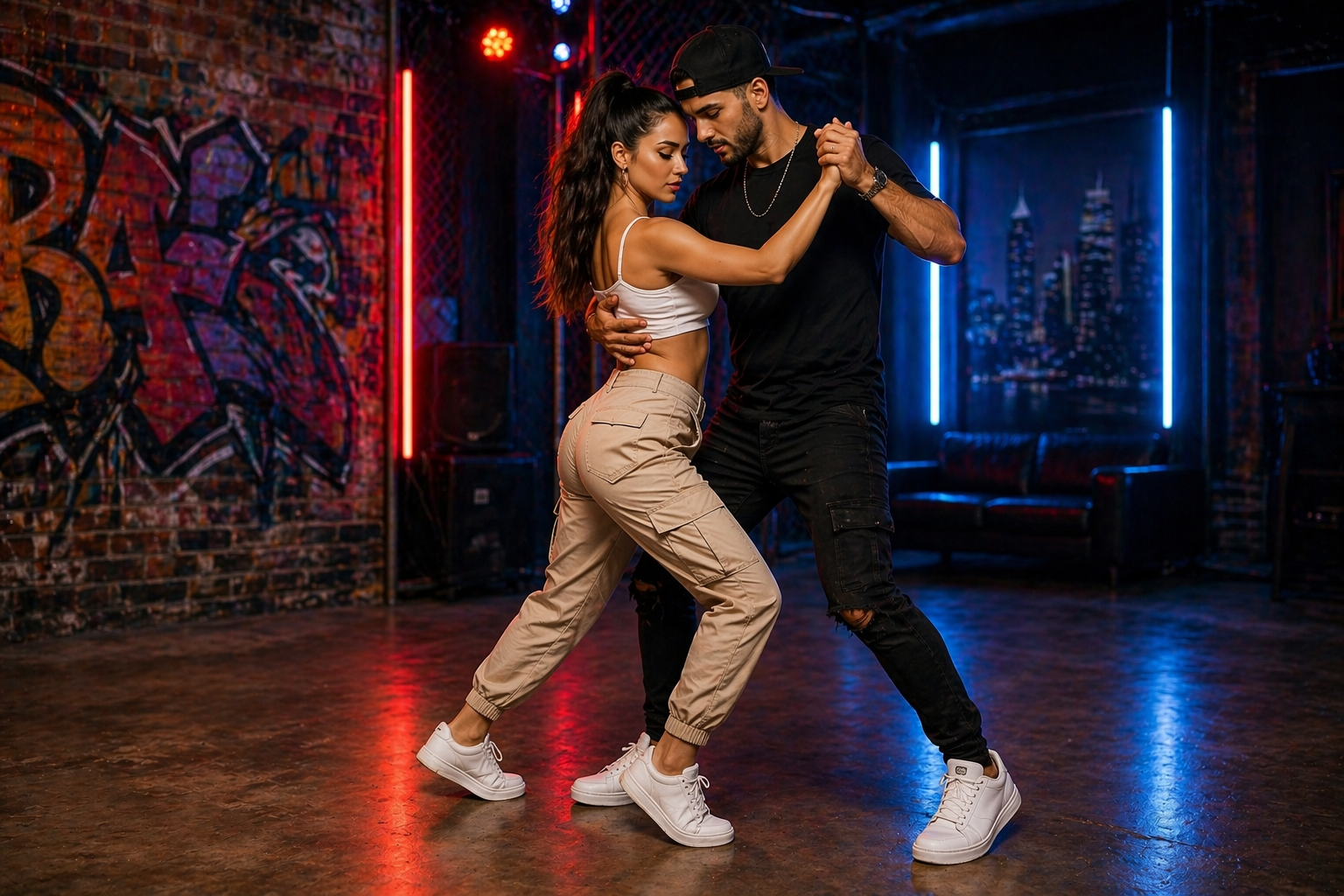
Origin: Dominican Republic | Era: 1960s–present
This is bachata at its purest. You can say the bachata style is closest to the music's roots.
Dominican bachata features:
Fast, intricate footwork with syncopations and quick weight changes
A relaxed upper body while the legs and feet do complex, rhythmic work
Open, freestyle movement. Less structured than international studio styles
A strong connection to the music's clave pattern and guitar accents
The basic structure follows an 8-step pattern with 3 lateral movements and a distinctive hip accent on the 4th beat. But in skilled Dominican hands, that simple structure explodes into creative freedom.
Best for:
Dancers who want deep musical authenticity
↓
Explore Dominican Bachata
2. Modern Bachata (Bachata Moderna)
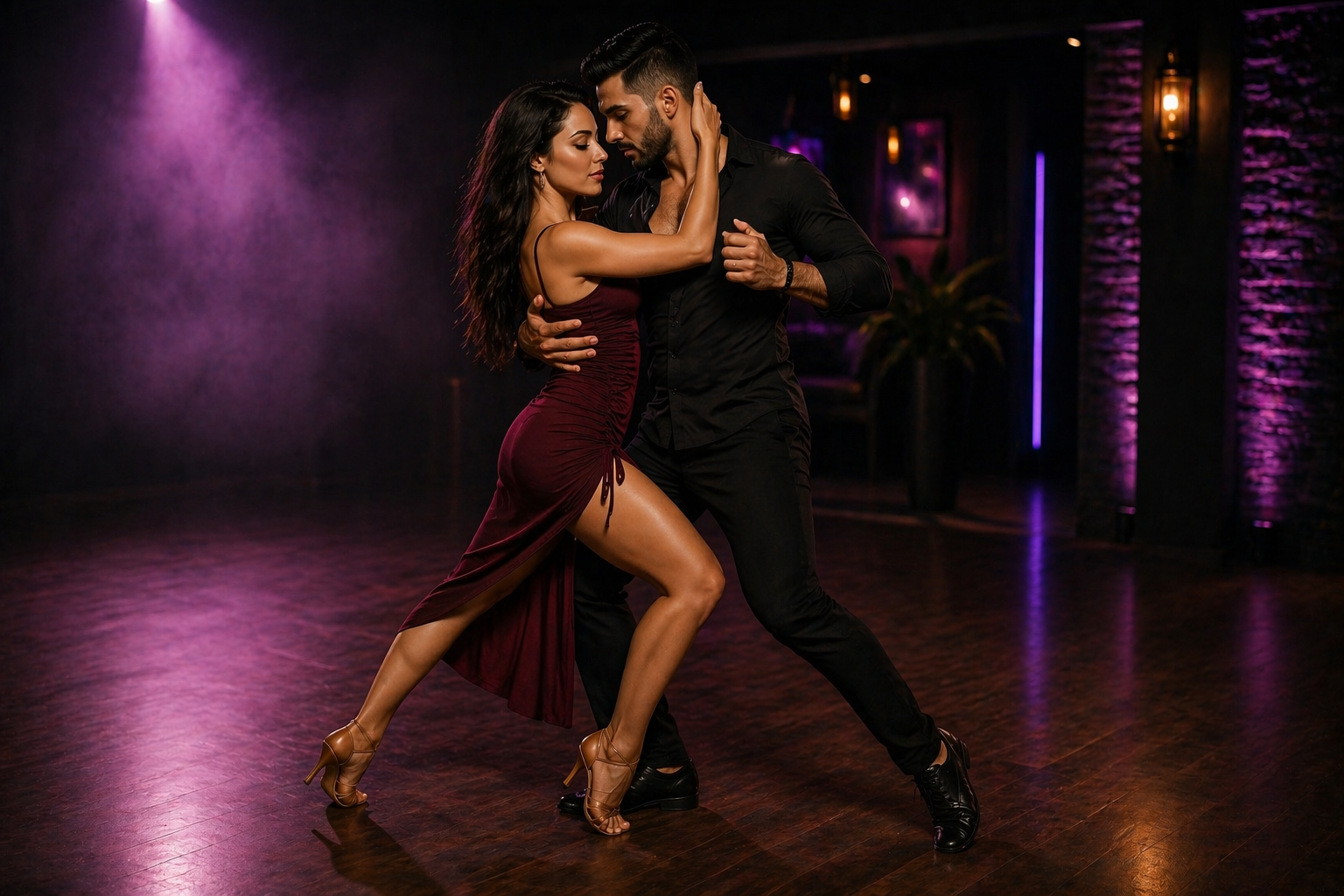
Origin: International dance scene | Era: Late 1990s–2000s
As bachata spread globally through the bachata dance congress circuit, teachers outside the Dominican Republic began formalizing it for studio instruction.
Modern bachata (or bachata moderna) kept the traditional timing but added:
Structured turn patterns borrowed from salsa
Cleaner, more codified technique suited to workshop-based learning
Open-position footwork with recognizable salsa-style partner figures
Greater emphasis on leading and following mechanics
This style made bachata accessible to millions of non-Dominican dancers already familiar with Latin partner-dance conventions. It sits at the heart of most beginner bachata curricula taught worldwide today.
Best for:
You are a complete beginner
↓
Start with Modern Bachata
If you are just starting out, don’t miss our beginner’s guide on how to dance Bachata. It covers simple steps to help you learn quickly.
3. Sensual Bachata (Bachata Sensual)
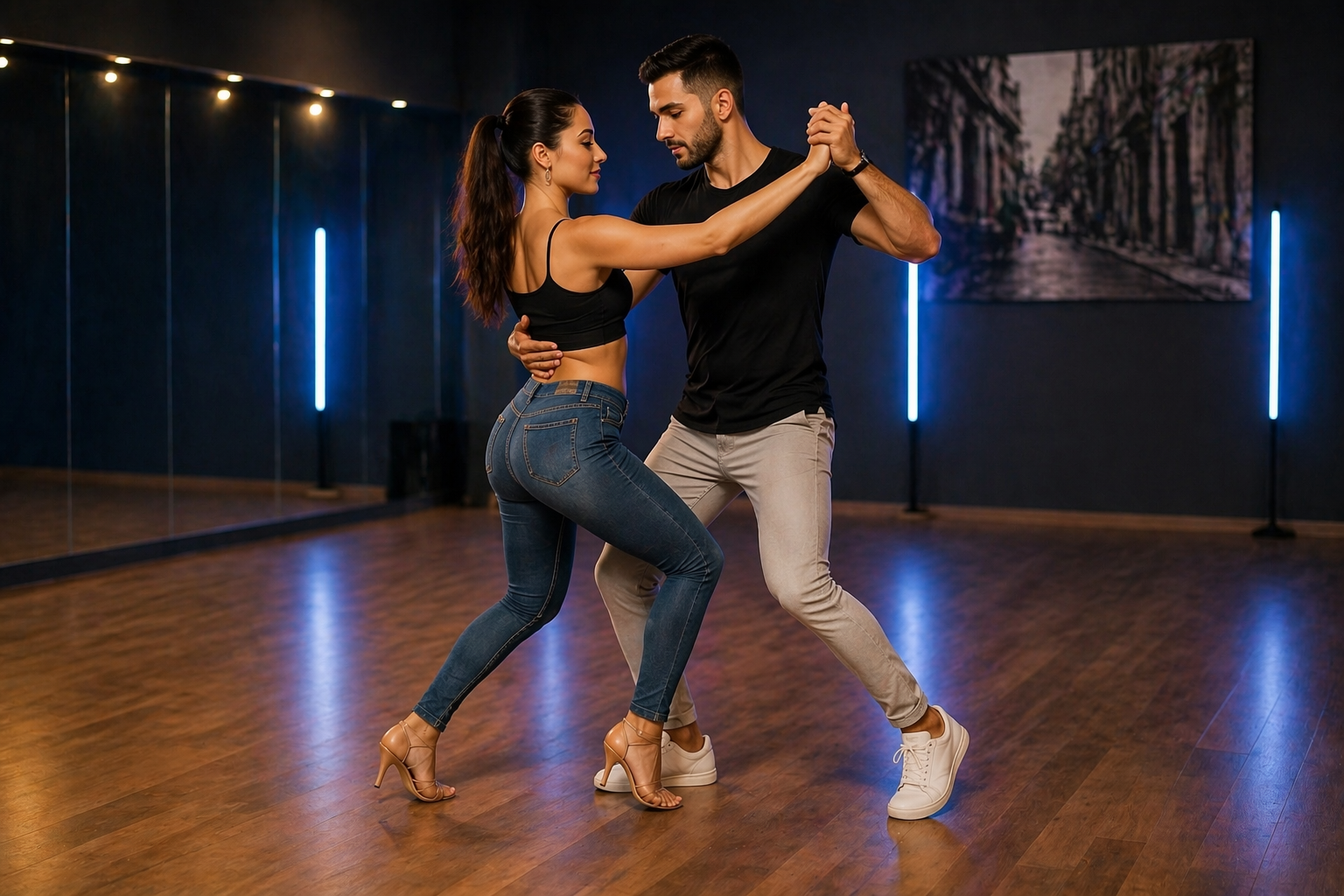
Origin: Cádiz, Spain | Era: 2004–present
Perhaps the most internationally popular bachata style today, sensual bachata was developed by Spanish dancers Korke Escalona and Judith Cordero in Cádiz, Spain, in 2004. This makes it one of the very few major styles of bachata born outside its country of origin.
Sensual bachata is defined by:
Fluid body waves and isolations that travel through the torso
Close partner connection with a strong emphasis on non-verbal communication
Slow, dramatic musicality often pausing on emotional moments in the music
Influences from kizomba, zouk, and contemporary dance
A theatrical, cinematic quality perfect for performances and social dancing
The Bachata Sensual Academy traces the style's founding directly to Korke and Judith, whose method spread rapidly through European and North American dance festivals.
NOTE: Sensual bachata requires a high degree of trust and communication between partners. Read to learn how Bachata can make your relationship spicier and stronger!
Best for:
Intermediate-to-advanced dancers who love expression
↓
Explore Sensual Bachata
4. Urban Bachata (Modern Urban / Bachatón)
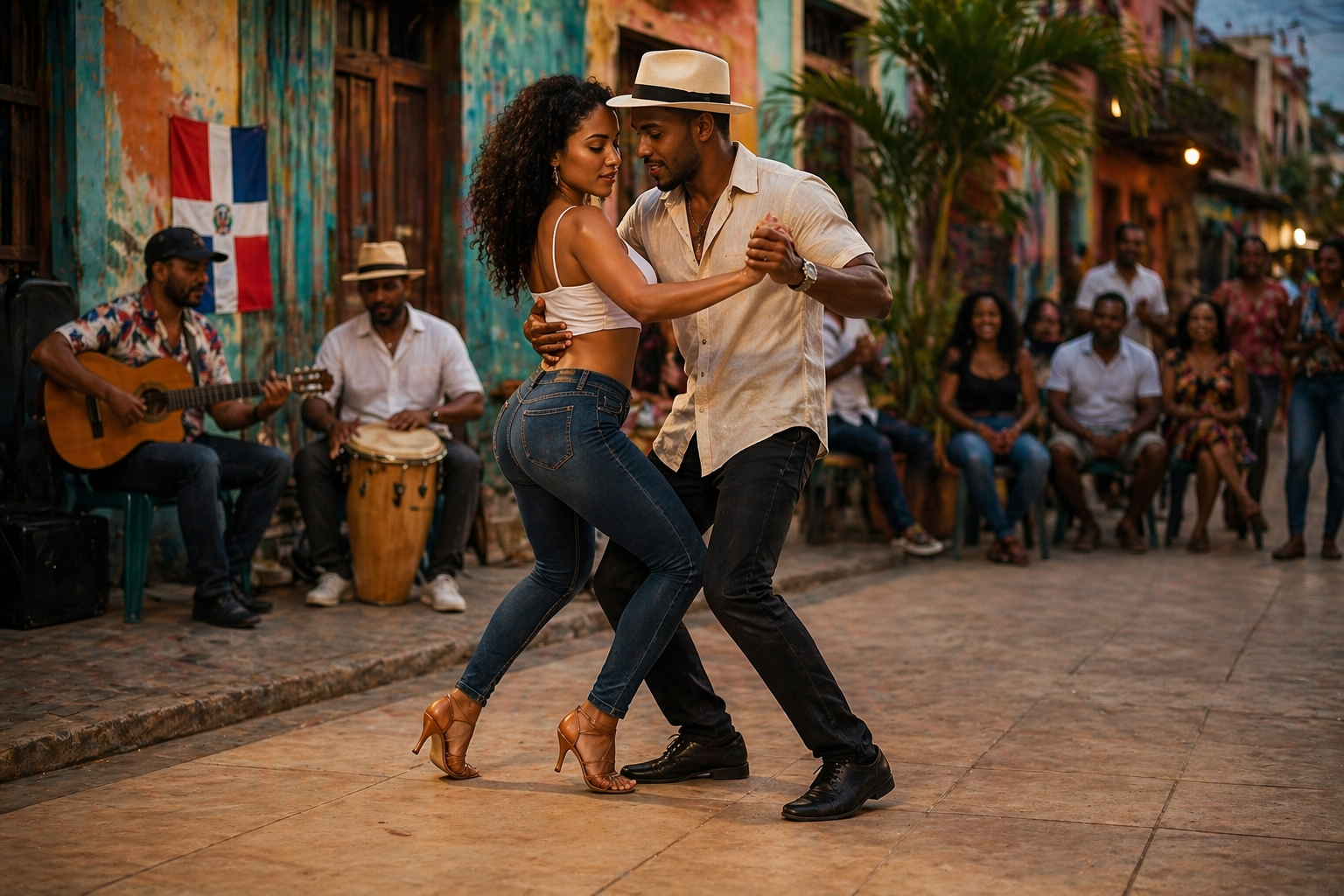
Origin: Dominican diaspora in the USA | Era: Early 2000s–present
Urban bachata, sometimes called bachatón, emerged from Dominican communities in New York and New Jersey, as artists like Monchy y Alexandra and Aventura began fusing bachata with R&B, hip-hop, and pop.
On the dance floor, urban bachata features:
Street-style movement with hip-hop and reggaeton influences
Body isolations and attitude-driven styling
A more upright posture compared to sensual bachata
Contemporary music remixes, English-language crossovers, urban beats
This style is particularly popular with younger dancers and those entering bachata from a hip-hop or contemporary dance background. Romeo Santos, Prince Royce, and Rosalía (who collaborated on a viral bachata hit) helped push this fusion into mainstream pop culture.
Best for:
Dancers who love current music and a contemporary urban aesthetic
↓
Go for Urban Bachata
Are There Other Bachata Styles?
Beyond the four main types, a handful of fusion styles have also emerged:
Bachatango: A fusion of bachata and Argentine tango, blending close-hold tango technique with bachata rhythm
Fusion Bachata: Open-ended creative combinations with zouk, contemporary dance, or even ballroom
Footwork-focused styles: Emphasizing elaborate shines and individual expression inspired by Dominican roots
At RF Dance in Orange County, the team specializes in fusion-style bachata, offering everything from intro-level bachata teams to a multi-award-winning competition team. Whether you are taking your very first steps or training for a competition stage, RF Dance has a place for you.
NOTE: Curious how bachata sounds different from salsa? Read our guide “Salsa vs Bachata Music: Key Differences Every Dancer Must Know” to know about the real differences.
Quick Comparison: Bachata Styles at a Glance
| Bachata Style | Origin | Posture | Footwork | Influence | Vibe |
|---|---|---|---|---|---|
| Dominican (Traditional) | Dominican Republic, 1960s | Relaxed, lower body active | Fast, intricate, syncopated | Bolero, merengue, son | Authentic, social, free |
| Modern (Moderna) | International congresses, 1990s | Upright, structured | Clear step patterns, turns | Salsa | Technical, accessible |
| Sensual | Cadiz, Spain, 2004 | Close embrace, wavy | Smooth, flowing | Kizomba, zouk, contemporary | Dramatic, expressive |
| Urban | USA (NY/NJ), early 2000s | Upright, street-style | Contemporary, relaxed | R&B, hip-hop, pop | Cool, trendy, energetic |
Where You Can Learn Bachata?
RF Dance is one of Orange County's premier Latin dance studios, offering Bachata classes for every level, from first-timers to competition-ready dancers. Our instructors bring deep knowledge of all major bachata styles, breaking each one down with clear technique, musicality training, and a supportive community atmosphere.
RF Dance's fusion-style bachata teams have won multiple awards, and our group classes run on flexible schedules designed for busy professionals, students, and anyone who wants to make dance a real part of their life.
Take a look at this video to see how RF Dance Studio makes learning bachata fun and engaging!
Conclusion
From its humble beginnings in the Dominican Republic to its global presence today, bachata has transformed into a diverse dance form with multiple styles. Whether it’s the fast, rhythmic footwork of Dominican bachata, the structured patterns of modern, the fluid expression of sensual, or the bold energy of urban, every style represents a different way of connecting with the music. And that’s the beauty of bachata! There is no single “right” way to dance it.
Frequently Asked Questions
1. What are the main types of bachata?
The four main types of bachata are Dominican (Traditional), Modern (Moderna), Sensual, and Urban. Each has distinct movement qualities, influences, and cultural roots.
2. What is the bachata country of origin?
Bachata's country of origin is the Dominican Republic. The genre emerged in the early 1960s from a fusion of bolero, Cuban son, and merengue in the working-class communities of Santo Domingo.
3. What is the bachata dance origin story?
Bachata originated as an informal social gathering dance among the Dominican working class. It was initially stigmatized and called "amargue" (bitterness) before gaining mainstream and then global recognition in the 1990s and 2000s.
4. Is sensual bachata the same as traditional bachata?
No. Sensual bachata was created in Cádiz, Spain, in 2004 and emphasizes body waves, close connection, and fluid isolations. Traditional Dominican bachata focuses on fast, intricate footwork with a more upright posture.
5. Which bachata style is best for beginners?
Modern bachata (bachata moderna) is generally considered the most beginner-friendly, thanks to its structured turn patterns and clear technical framework borrowed from the Latin dance congress world.
6. Did UNESCO recognize bachata?
Yes. In December 2019, UNESCO inscribed the "Music and Dance of Dominican Bachata" on its Representative List of the Intangible Cultural Heritage of Humanity, recognizing its cultural significance to Dominican society.
7. Can I learn multiple bachata styles at once?
Absolutely. Many dancers study Modern bachata as a foundation and then layer in Dominican, Sensual, or Urban elements. Experienced instructors at studios like RF Dance help students blend styles naturally.
8. Is bachata difficult to learn?
The basic steps of bachata are accessible to most beginners. Just three steps and a hip accent create the core pattern. The depth and complexity come with time, musicality, and practice, but the entry point is welcoming for anyone.