 RF Dance

Why Bachata Dance Is So Popular And Why You Should Learn It
Posted on - 07 August 2026
Key Takeaways
- Bachata is popular because it's easy to learn, set to familiar pop music, and built around a close, romantic partner connection
- Learning bachata boosts confidence, gives you a full-body workout, and sharpens your brain through new movement patterns
- No partner or experience is needed to start; classes are beginner-friendly by design
- Most dancers feel comfortable dancing socially within 4–6 weeks of regular practice
- Bachata originated in the Dominican Republic and has since grown into styles like Dominican, Sensual, and Fusion
- It's backed by a global social scene of classes, socials, and festivals worldwide
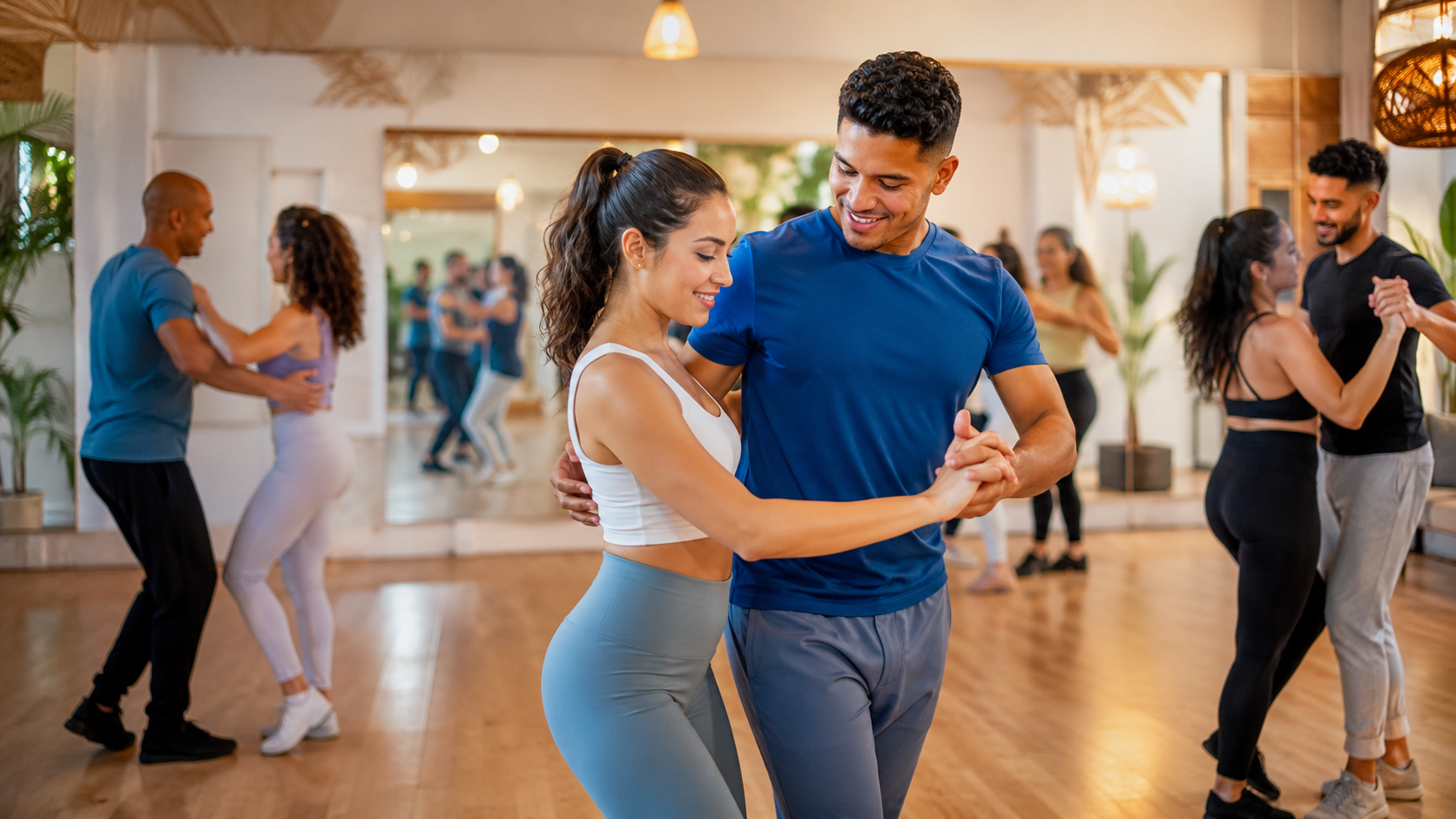
Bachata has exploded in popularity worldwide because of its easy-to-follow rhythm, its close, romantic connection between partners, and its constant presence in modern pop and Latin music. It's a dance that feels good to watch and even better to do, which is exactly why so many beginners fall for it fast.
That same combination of simplicity, fun, and connection is also why so many people decide to learn bachata. Whether you want to stay active, build confidence, meet new people, or strengthen your relationship, bachata offers benefits that go far beyond learning dance steps.
In this guide, we'll break down exactly why bachata has become so popular, why now is the perfect time to start learning it, and what you can expect as a complete beginner.
Why Is Bachata So Popular?
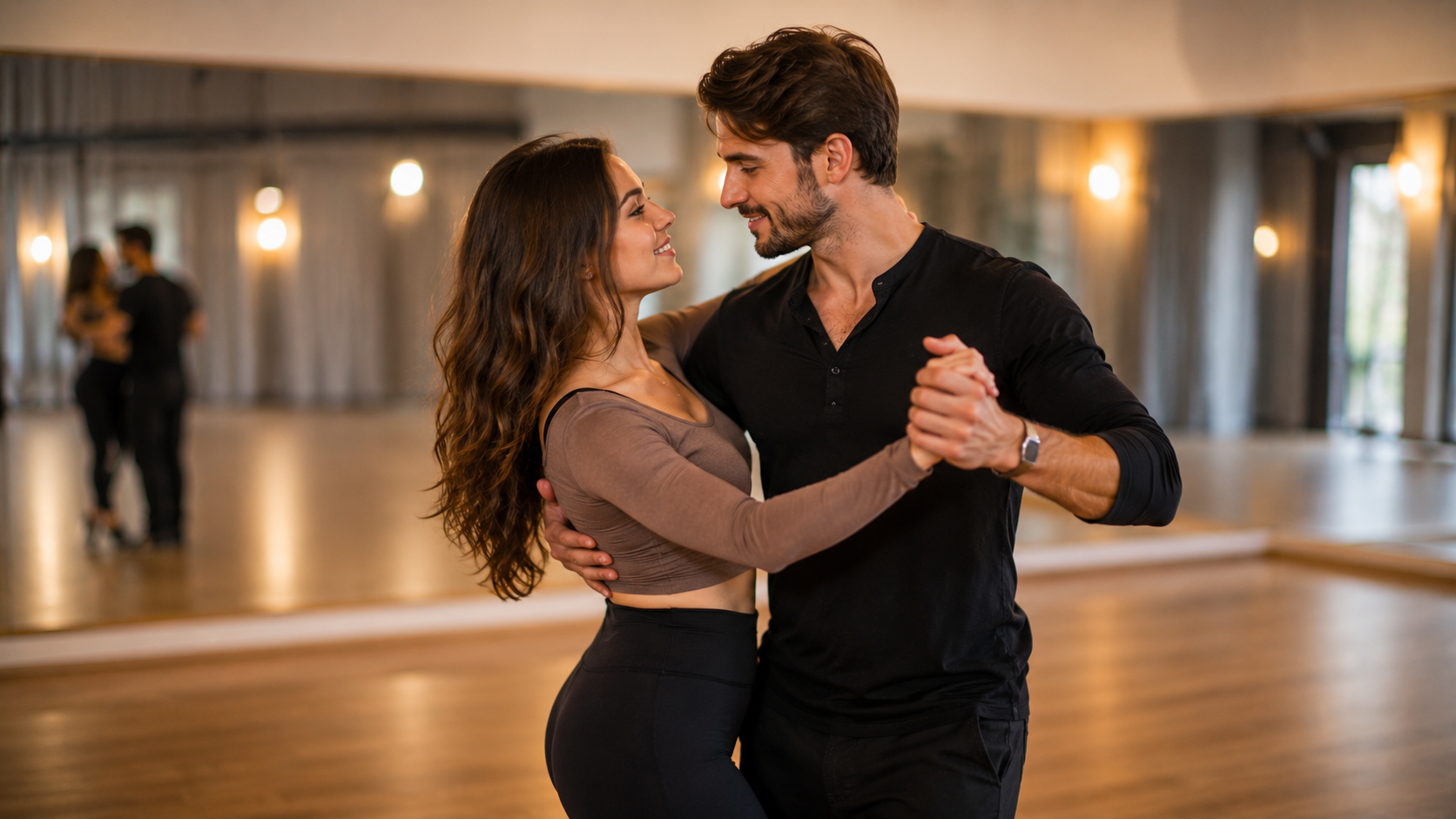
Bachata has grown from a traditional Dominican dance into a worldwide phenomenon because it combines simple movements, emotional music, a sense of closeness, and a welcoming social atmosphere. Its accessibility makes it appealing to beginners, while its variety and cultural depth keep experienced dancers engaged. Today, bachata communities, classes, and festivals continue to grow across the globe, bringing new people into the dance every day.
It's Easy for Beginners to Pick Up
One of the biggest reasons behind bachata's popularity is its beginner-friendly structure. The basic step follows a simple three-step pattern with a tap, making it easier for new dancers to understand compared with many other partner dances. Even people with no previous dance experience can quickly learn the rhythm and feel comfortable joining a class or social event.
It's Set to Music People Love
Bachata's emotional melodies and romantic lyrics naturally appeal to listeners. While traditional bachata originated in Dominican music, modern bachata has expanded to incorporate contemporary sounds and collaborations that attract audiences worldwide. Familiar rhythms and modern influences have helped introduce the dance to people who may have never encountered it before.
It Creates a Unique Partner Connection
Bachata is built around communication, trust, and connection between two dancers. The close embrace, smooth movements, and expressive music create a more personal experience than many fast-paced dance styles. This emotional element is one reason dancers often describe bachata as more than just learning steps — it feels like sharing a moment with another person.
It Has a Strong Global Social Scene
Bachata has developed a passionate international community with dance schools, weekly socials, and festivals in cities around the world. These events make it easy for dancers to practice, meet new people, and stay connected with others who share their interests. The supportive atmosphere helps new dancers feel welcomed from their very first class.
It Offers Different Styles to Explore
Bachata continues to evolve through different styles, including Dominican, Sensual, and Fusion bachata. Each style brings unique rhythms, techniques, and interpretations of the music, giving dancers endless opportunities to improve and discover new ways to express themselves. If you want the full history and the different styles that came from it, our Ultimate Guide to Bachata Types breaks down exactly how Dominican, Sensual, and Fusion bachata compare.
Social Media Has Helped Bachata Reach New Audiences
Online platforms have played a major role in spreading bachata globally. Dance performances, tutorials, and festival videos allow people to discover the style from anywhere in the world. This digital exposure has introduced millions of new viewers to bachata and encouraged many to take their first class.
Why You Should Learn Bachata
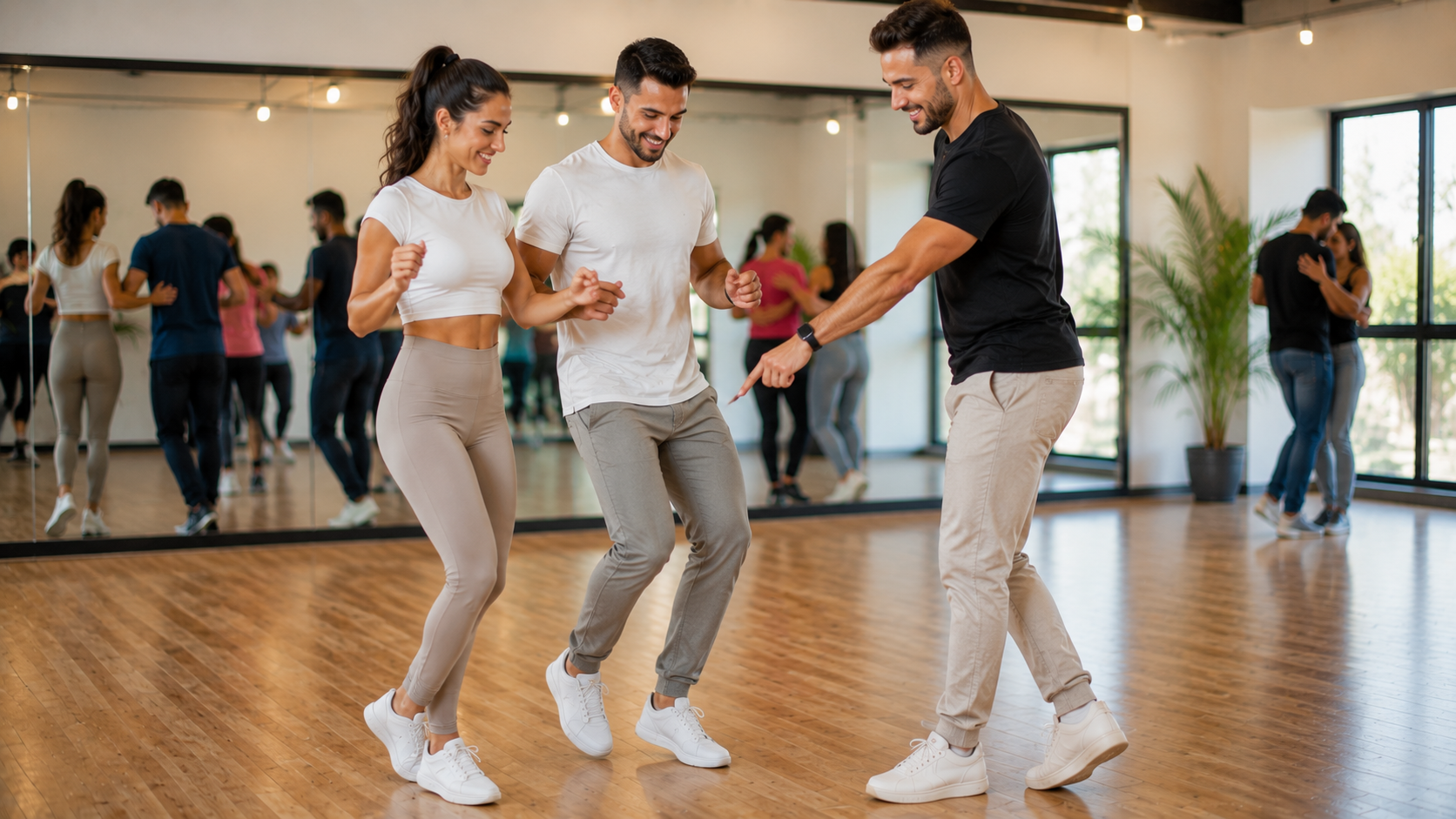
Learning bachata offers benefits that go beyond dancing. It can improve your confidence, fitness, coordination, and social life while giving you a creative way to enjoy music and movement. Because the basics are approachable, beginners can experience these benefits quickly while continuing to develop new skills as they progress.
It's Easy to Learn and Build Confidence
Bachata's simple foundation allows beginners to start dancing without feeling overwhelmed. Learning basic steps, following the rhythm, and successfully completing your first dance can create a sense of achievement. As your skills improve, you naturally become more confident both on the dance floor and in social situations.
It Provides a Fun Full-Body Workout
Bachata keeps your body moving through continuous steps, hip movements, and partner patterns. It engages your legs, core, and coordination while improving stamina and mobility. Unlike traditional workouts, dancing feels more like an enjoyable activity than a fitness routine, making it easier to stay consistent.
It Supports Mental Focus and Brain Health
Learning bachata requires you to remember patterns, listen to music, and respond to your partner's movements. This combination of physical activity and mental engagement helps keep your mind active while improving concentration, memory, and coordination.
It Helps Reduce Stress
Music, movement, and social interaction create a natural way to relax after a busy day. Many dancers use bachata as an escape from daily routines because it fosters mindfulness and allows them to focus fully on the present.
It Helps You Meet New People
Bachata classes and social events create an easy environment for meeting others. Partner rotations allow beginners to dance with different people, making it a comfortable way to expand your social circle and build new friendships.
It Strengthens Connection With a Partner
For couples, learning bachata together can improve communication and trust. The dance requires partners to listen, respond, and move together, creating a shared experience that can strengthen their connection.
It Improves Coordination and Body Awareness
Regular practice helps develop balance, timing, posture, and control over your movements. These skills not only improve your dancing but can also make you feel more comfortable and confident in your body.
It Lets You Experience Dominican Culture
Learning bachata is also a way to connect with Dominican culture through its history, music, and traditions. Understanding where the dance came from adds more meaning to every step and helps dancers appreciate the art form beyond the movements themselves.
Is Bachata Hard to Learn for Beginners?
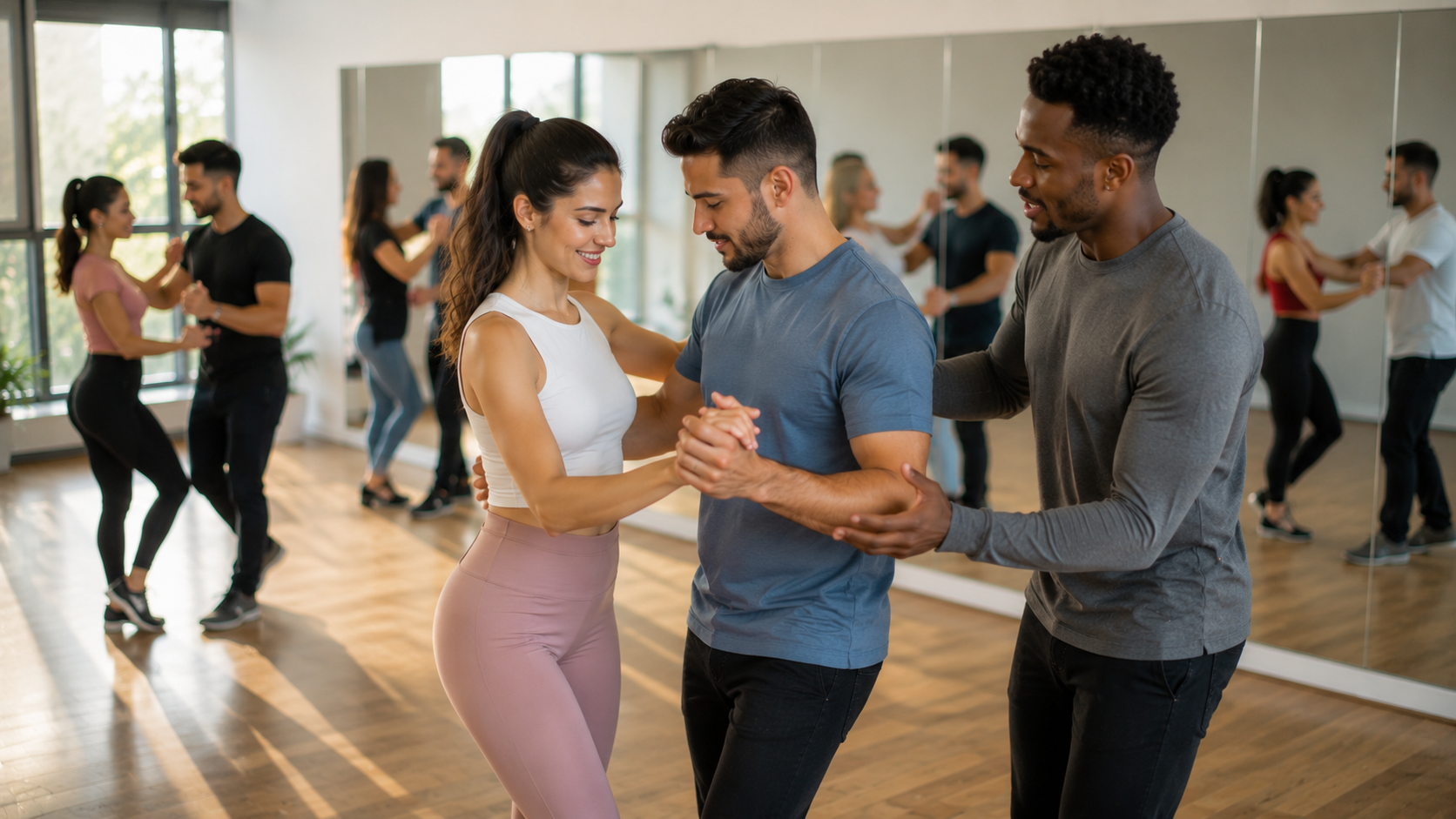
No, bachata is one of the easiest partner dances for beginners to learn. The basic step is a simple, even pattern — three steps and a tap in each direction — with none of the fast footwork or syncopation found in dances like salsa, so most people can follow along within their first few minutes on the floor.
That said, feeling truly comfortable dancing socially takes a little more time. Most beginners go from "just learned the steps" to genuinely confident on the dance floor within about 4–6 weeks of regular practice.
Want to know exactly what that first step looks like? See exactly what a first class looks like and how long it takes to feel comfortable in our guide, Your First Bachata Class: What Actually Happens.
Conclusion
Bachata's popularity comes down to a simple combination: it's genuinely easy to pick up, and it gives you real physical, mental, and social benefits from your very first class. There's no better time to start than now.
Ready to feel the rhythm for yourself? Join us for a beginner bachata class and see why so many dancers fall in love with it from day one. Check out our class schedule and get started today.
FAQs
Is Bachata Dominican or Mexican?
Bachata is Dominican, not Mexican. It originated in the Dominican Republic in the mid-20th century, and the confusion usually comes from people mixing it up with Mexican regional genres like banda, which have a completely different musical and dance history.
Who Made Bachata Famous?
Bachata's global rise happened in two major waves: Juan Luis Guerra brought it international attention in the 1990s with his album Bachata Rosa, and Aventura, led by Romeo Santos, later pushed it into mainstream pop culture worldwide in the 2000s.
What Is a Sensual Bachata Dance?
Sensual bachata is a modern dance style built around fluid body waves, close connection, and dramatic dips, distinct from the simpler footwork of traditional Dominican bachata. For a full breakdown of how it compares to other styles, see our Ultimate Guide to Bachata Types.
How Long Does It Take to Become Proficient at Bachata?
Most beginners feel genuinely comfortable dancing bachata socially within about 4–6 weeks of regular practice. The basic step itself is quick to learn, but comfort with timing, connection, and improvisation builds gradually with consistent classes.
Do I Need a Partner to Start Bachata Classes?
No, you don't need a partner to start. Bachata classes are built around rotating partners, so you can join solo and still get full instruction while meeting new people along the way.
Is Bachata a Good Workout?
Yes, bachata is a genuine full-body workout. The continuous hip, leg, and core movement raises your heart rate and builds muscle, all while feeling more like fun than exercise.