 RF Dance

Bachata
Feeling awkward while dancing is completely normal for beginners, and confidence matters more than natural talent.
Learning basic steps, understanding rhythm, and keeping your body relaxed can help you move more naturally.
Avoid comparing yourself to experienced dancers and focus on your own progress instead.
Consistent practice, even for a few minutes each day, helps build muscle memory and improve confidence.
Dance classes and expert guidance can help beginners learn proper techniques and become comfortable on the dance floor faster.
Recently, I came across a dance forum where a user shared her experience. She wrote:
"I want to dance, but I don't know how to do it perfectly, which, I guess, makes me look awkward. Does anyone else feel the same way?"
My immediate response was: Absolutely!
If you've ever felt stiff, out of rhythm, or too self-conscious to enjoy dancing, you're definitely not alone. Almost everyone feels awkward when they first start dancing, whether it's at a party, a wedding, a club, or even in a dance class.
The truth is, awkwardness has very little to do with talent. In most cases, it's a combination of mindset, body language, and experience.
The secret is that confident dancers are not always the most talented—they are the ones who learn to relax, follow the rhythm, and practice consistently. With the right approach, anyone can learn to move more naturally and feel confident on the dance floor.
Before learning how to dance confidently, it helps to understand why dancing feels awkward in the first place. Most beginners struggle because of a few common habits and fears.
Many beginners worry that others are watching their every move. This fear can make them hesitate and feel less natural while dancing. In reality, most people are focused on enjoying themselves.
Beginners often focus too much on doing every move correctly instead of enjoying the music. Overthinking can make movements feel forced and less natural.
Nervousness can make your body stiff. Locked knees, tight shoulders, and rigid arms can make simple movements look awkward, so staying relaxed is important.
Dancing is about moving with the rhythm. If you ignore the beat, your movements may feel out of sync and less confident.
Comparing yourself to experienced dancers or social media videos can lower your confidence. Remember, every skilled dancer started as a beginner and improved through practice.
The good news is that every one of these challenges can be improved with practice and the right approach. All you need to do is get some dance tips and lessons from experts.
As a dance instructor at RF Dance Studio with over eight years of experience helping beginners build confidence, I have seen how the right approach can make dancing feel natural and enjoyable.
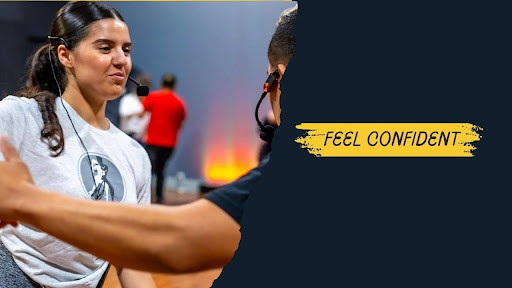
If you feel awkward when you dance, it often starts with what you're telling yourself. Thinking, "I look awkward" or "I'm not a good dancer," can make you feel tense and hesitant.
Instead, remind yourself that confidence comes from preparation, not perfection. Even a few minutes of practicing basic steps at home can help you feel more comfortable when it's time to dance.
Also, don't put pressure on yourself to get every move right. Every skilled dancer was once a beginner. Rather than trying to impress everyone around you, focus on enjoying the music and moving naturally. People notice genuine confidence far more than perfect technique.
Celebrate your progress, no matter how small. Whether you've learned a new step, stayed on beat longer, or simply felt more relaxed than before, every improvement builds confidence for the next time you dance.
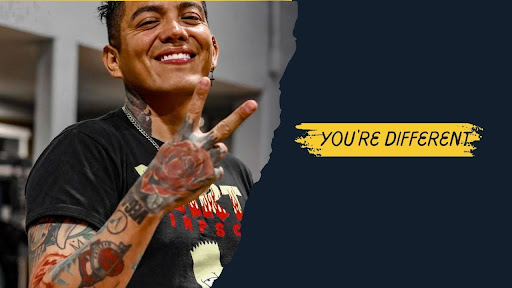
Let's accept this: no two people have the same body type, music taste, dance training, or life experiences. That means everyone dances differently—and that's a good thing.
One mistake many beginners make is comparing themselves to experienced dancers or the polished videos they see on social media. What you don't see are the hours of practice behind those performances.
Everyone learns at a different pace, so focus on your own progress instead of someone else's. As you build your skills, you'll naturally develop a style that feels comfortable and authentic to you.
If you're taking dance classes, don't be afraid to adapt certain moves to suit your body and comfort level. And if you're freestyling, start with simple steps like the basic two-step before adding your own flair. The goal isn't to dance exactly like someone else—it's to dance with confidence in your own way.
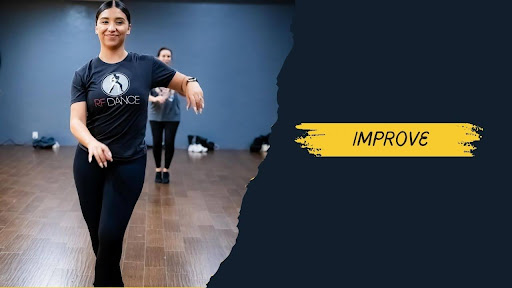
It's tempting to copy impressive dance routines you see online, but skipping the basics often makes your movements look rushed and awkward.
Start with simple fundamentals like shifting your weight from one foot to the other, practicing a basic two-step, and moving to the rhythm of the music. These core skills help you stay balanced and move more naturally.
Once you're comfortable with the basics, adding turns, arm movements, or more advanced steps becomes much easier. You'll also feel more confident because you're building on a strong foundation instead of guessing your next move.
Remember, great dancers don't look effortless because they know hundreds of moves—they look effortless because they've mastered the basics.
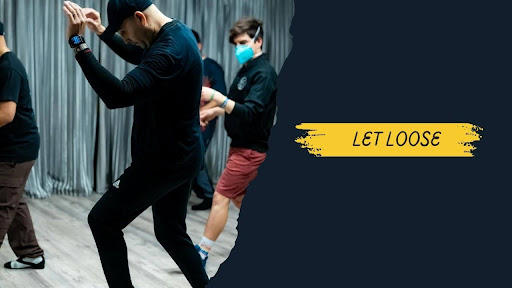
One of the quickest ways to look more natural on the dance floor is to relax your body. Nervousness often leads to stiff shoulders, locked knees, and rigid arms, making even simple moves look awkward.
Before you start dancing, take a few deep breaths and loosen up. Keep your shoulders relaxed, unlock your knees, and let your arms move naturally with the music. A quick stretch or warm-up can also help release muscle tension and improve your range of motion.
The more relaxed your body feels, the smoother and more confident your movements will look.
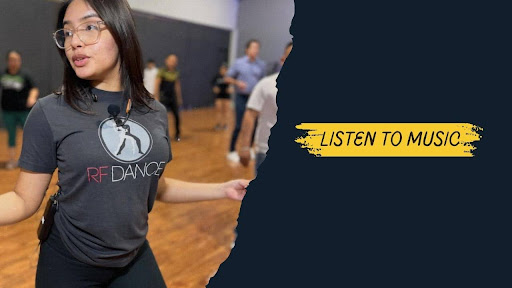
Many beginners focus on the lyrics or melody, but the real key to dancing is following the beat. Staying in rhythm instantly makes your movements look more coordinated.
Start by clapping or tapping your foot to the beat before you begin dancing. You can even count the rhythm in your head to develop better timing. Practice with familiar songs first, as it's easier to predict the tempo and stay in sync.
Whether you're dancing to a slow ballad or an upbeat track, let the beat guide your movements. Once you learn to move with the rhythm instead of against it, dancing will feel much more natural.
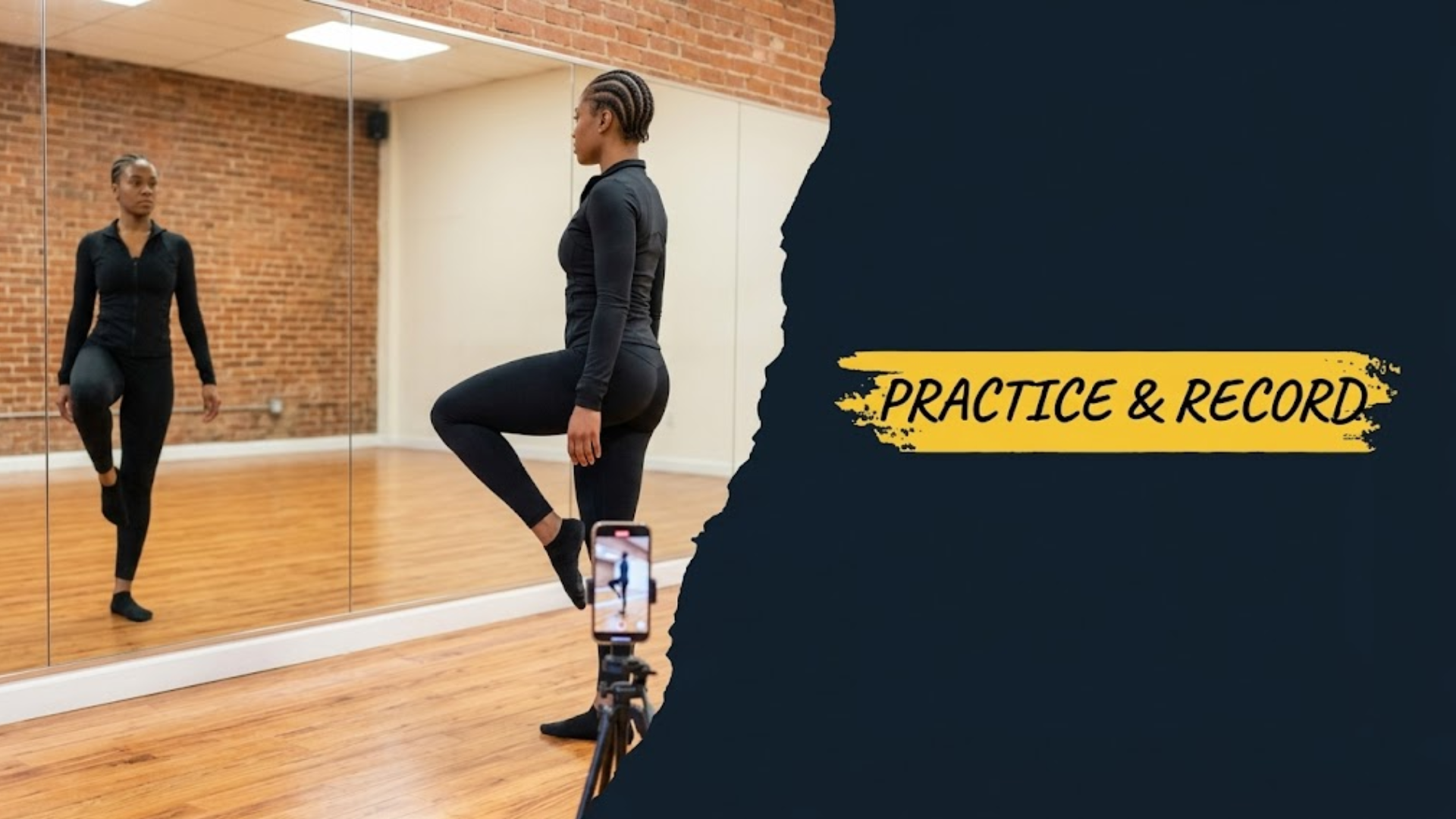
One of the best ways to improve your dancing is to see what others see. Practicing in front of a mirror helps you check your posture, body alignment, and overall movement. It also makes it easier to spot habits like stiff arms or slouched shoulders.
Recording yourself can be even more helpful. Watching a video gives you a more realistic view of your dancing and lets you track your progress over time. You may notice improvements that you wouldn't have recognized otherwise.
Don't use the mirror or camera to criticize yourself. Use them as tools to learn, make small adjustments, and build confidence.
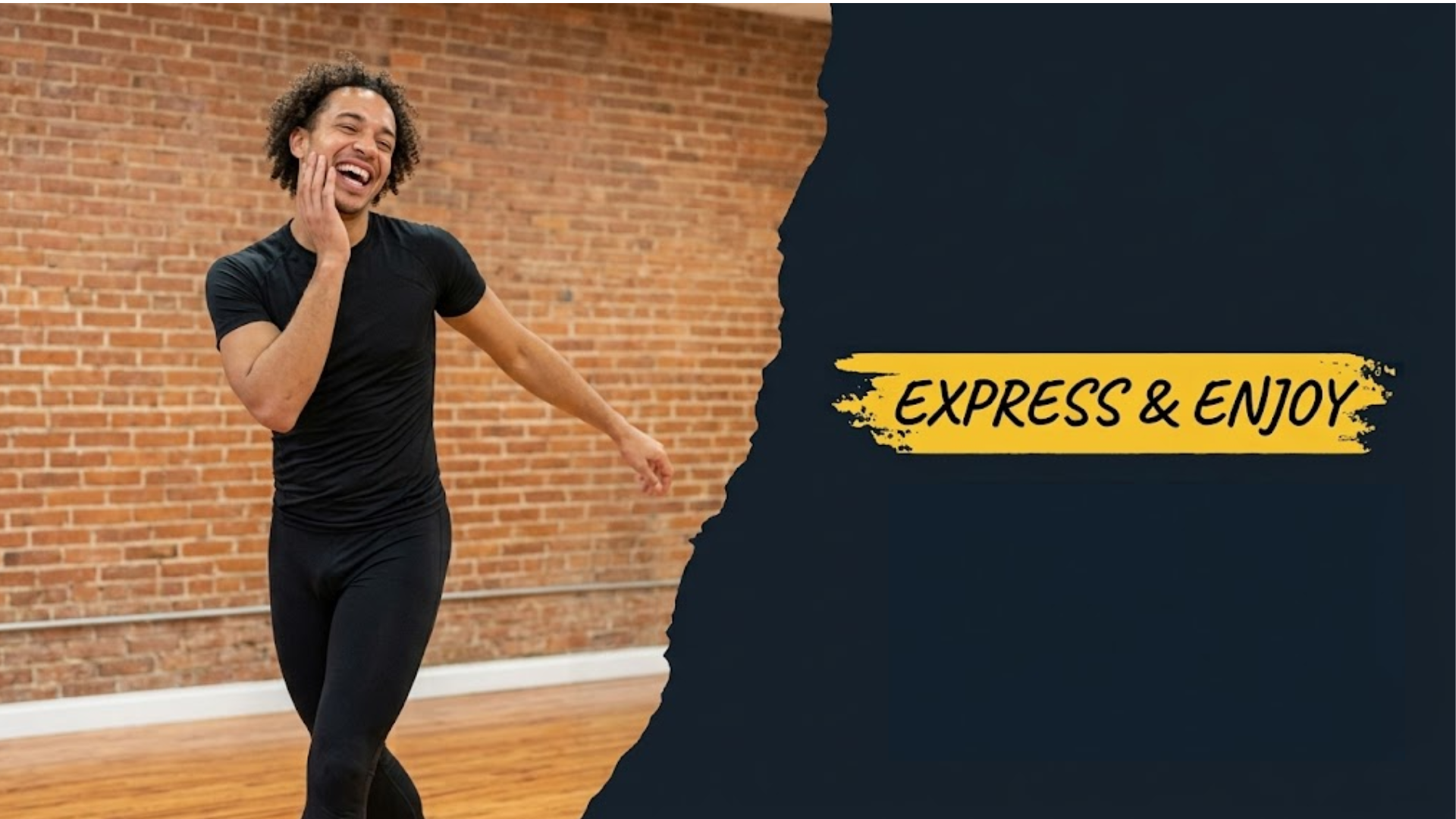
Dancing is not only about your steps. Your expressions, energy, and connection with the music also influence how confident you look while dancing.
Instead of worrying about every movement, relax and allow yourself to enjoy the song. A natural smile, comfortable posture, and positive energy can make your dancing feel more authentic.
Remember, people are more likely to notice someone who is enjoying the moment than someone trying to perform every step perfectly.
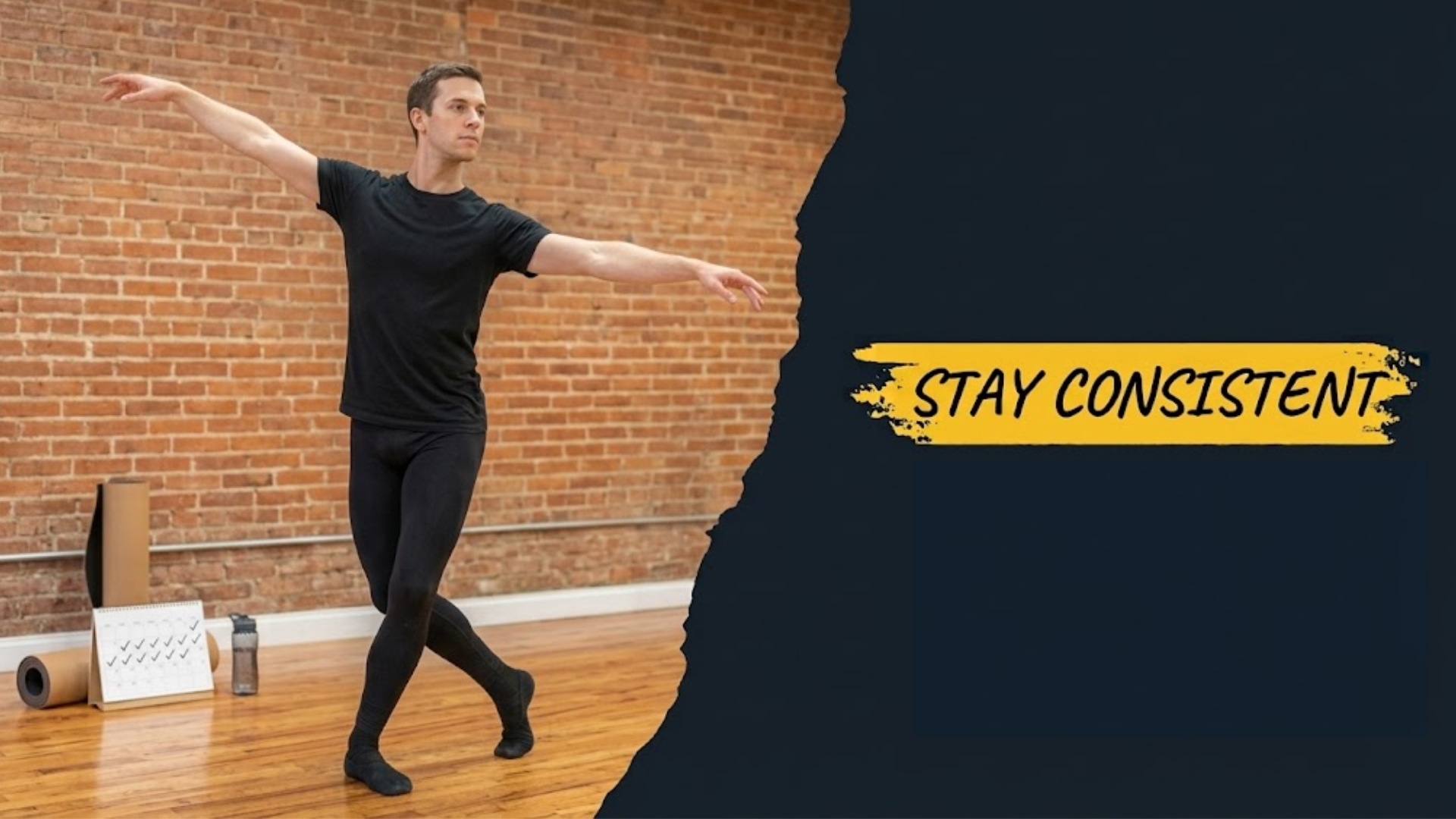
You don't need to practice for hours every day to become a better dancer. Even 10–15 minutes of regular practice can make a big difference over time.
Start with a quick warm-up, practice a few basic steps, work on staying on beat, and finish with a few minutes of freestyle. Short, consistent practice sessions help build muscle memory and confidence much faster than occasional long sessions.
Remember, consistency beats perfection. The more often you dance, the more natural it will feel.
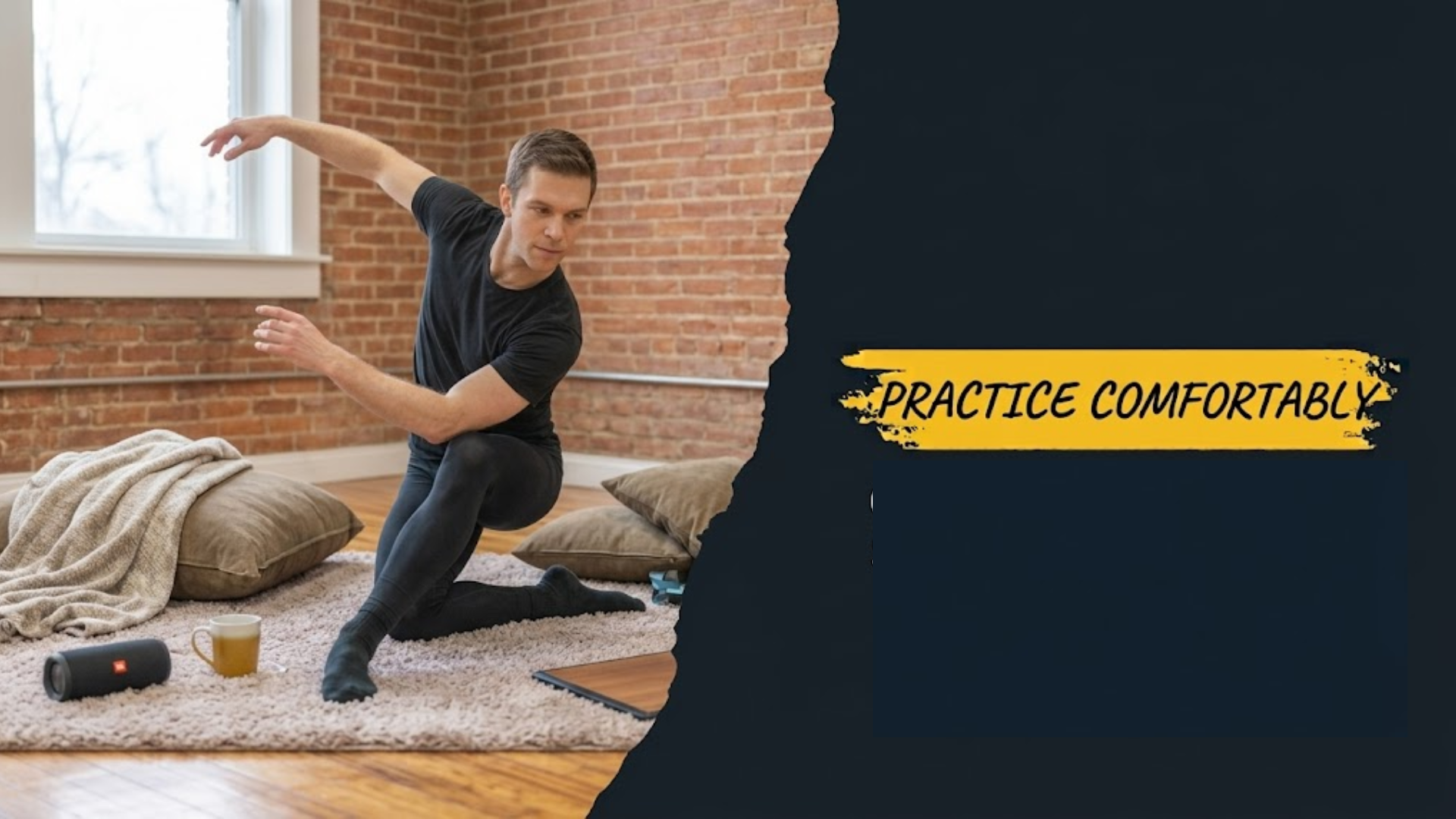
If dancing in public feels intimidating, start practicing where you feel comfortable. Dance at home , practice with a friend, or use a mirror to become familiar with your movements.
As you build confidence and get more comfortable with the basics, dancing around others will start to feel much easier.
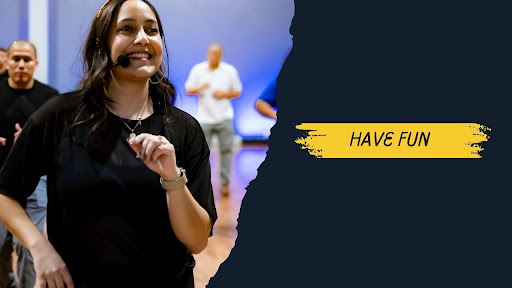
Every dancer misses a beat, forgets a move, or loses balance at some point. The difference is that experienced dancers don't let small mistakes stop them—they simply keep going.
If you make a mistake, don't freeze or apologize. Stay relaxed, find the beat again, continue dancing, and have fun. Most people won't even notice a small slip unless you draw attention to it.
The more you accept mistakes as part of learning, the less awkward you'll feel. Every time you dance, you get a chance to improve, and each mistake brings you one step closer to becoming a more confident dancer.
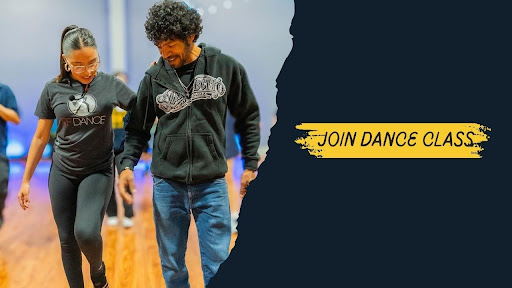
Practicing on your own is helpful, but dance classes can speed up your progress. A qualified instructor can correct mistakes early, teach proper technique, and provide feedback that's difficult to get when practicing alone.
Dance classes also offer a structured way to learn, helping you build your skills step by step instead of feeling overwhelmed by advanced choreography. Plus, practicing with others creates a supportive environment where everyone is learning and improving together.
Whether your goal is to feel confident at parties, weddings, or on stage, joining a dance class can give you the guidance and motivation to become a more comfortable dancer. At RF Dance Studio, beginners can learn foundational steps, improve their rhythm, and build confidence in a supportive learning environment.
Even small habits can make dancing feel less natural. By identifying and avoiding these common mistakes, beginners can improve their confidence and movement quickly.
Looking down at your feet:Keep your head up and focus on the music instead of constantly checking your steps.
Locking your knees:Relax your legs and allow your body to move freely with the rhythm.
Holding your breath:Remember to breathe while dancing to stay relaxed and avoid stiffness.
Rushing ahead of the beat:Focus on staying in sync with the music instead of trying to move too quickly.
Using only your arms:
Let your whole body move, including your shoulders, feet, and hips.Trying difficult choreography too soon:Master simple steps first before moving on to advanced routines.
Forgetting facial expressions:A relaxed smile and enjoyment can make your dancing look more confident.
Avoiding these mistakes can help you feel more comfortable and confident every time you step onto the dance floor.
Experience Salsa, Bachata, or Cumbia with Orange County’s favorite homegrown dance school- RF Dance. Sign up now and get your first class for only $5!
Unedited reviews from people who walked in without a partner and without a clue.
“RF Dance is an amazing place. The instructors are encouraging and passionate, and my daughter looks forward to her classes every single week.”Sophia M.